
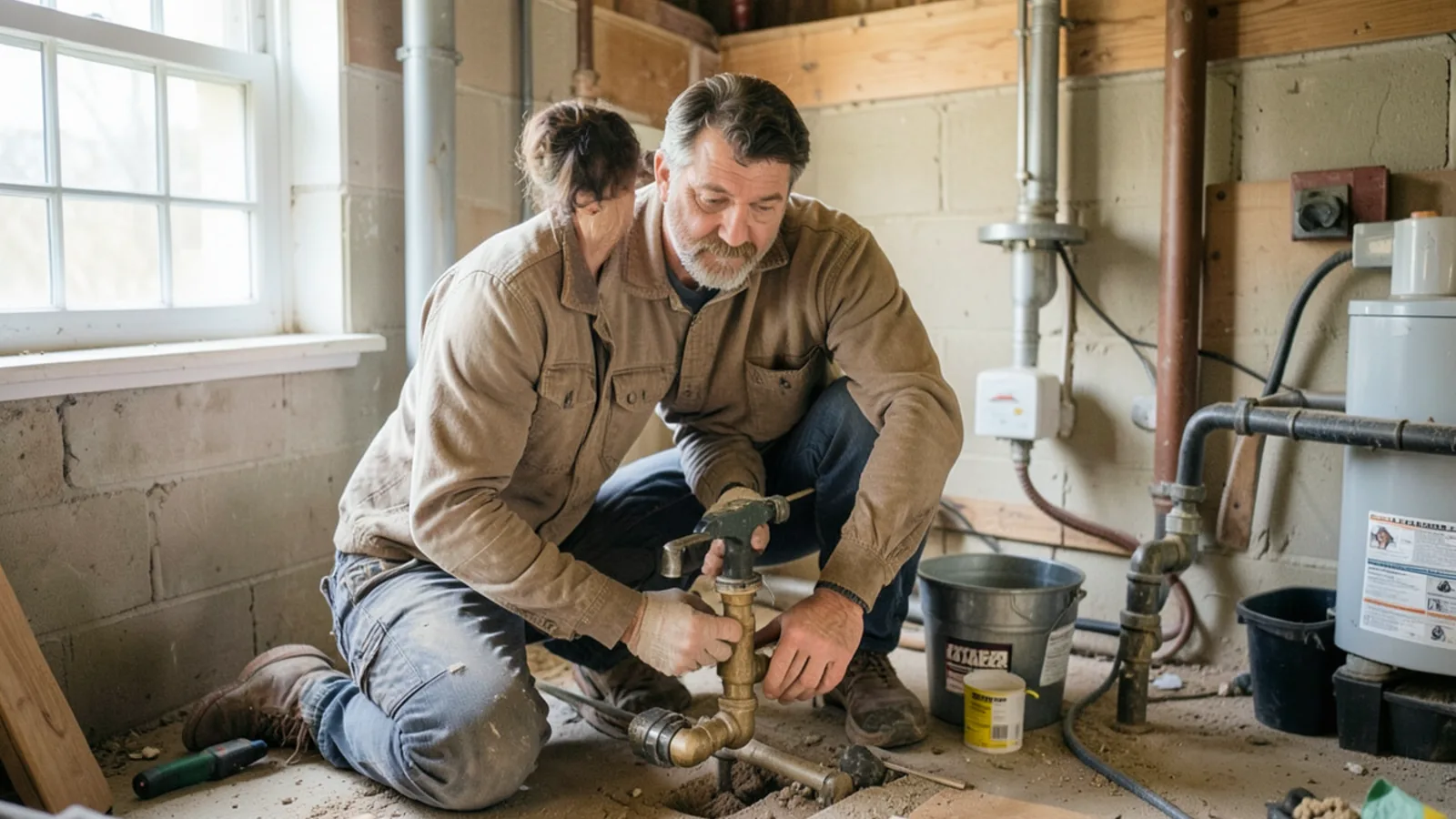
Vintage pipe materials found in 18th and 19th-century homes
Settled in 1639, Fairfield contains some of Connecticut's most treasured historic architecture. In coastal Southport Harbor, Greenfield Hill, and along the historic Old Post Road corridor, hundreds of colonial saltboxes, Georgian estates, Federal residences, and Victorian homes have stood for over two centuries.
While hand-hewn oak timber frames and hand-cut granite foundation blocks can endure for generations, interior plumbing infrastructure was never designed for multiple centuries of continuous service. Most historic Fairfield homes underwent early indoor plumbing retrofits between 1880 and 1950, resulting in a complex patchwork of legacy piping materials hidden behind lath-and-plaster walls and beneath hand-pegged chestnut floorboards.
Concealed within these antique structures are four common legacy plumbing hazards: lead municipal service entries from the street, threaded galvanized iron water distribution pipes, unvented lead drum traps, and brittle cast-iron soil stacks held together by packed oakum and molten lead joints.
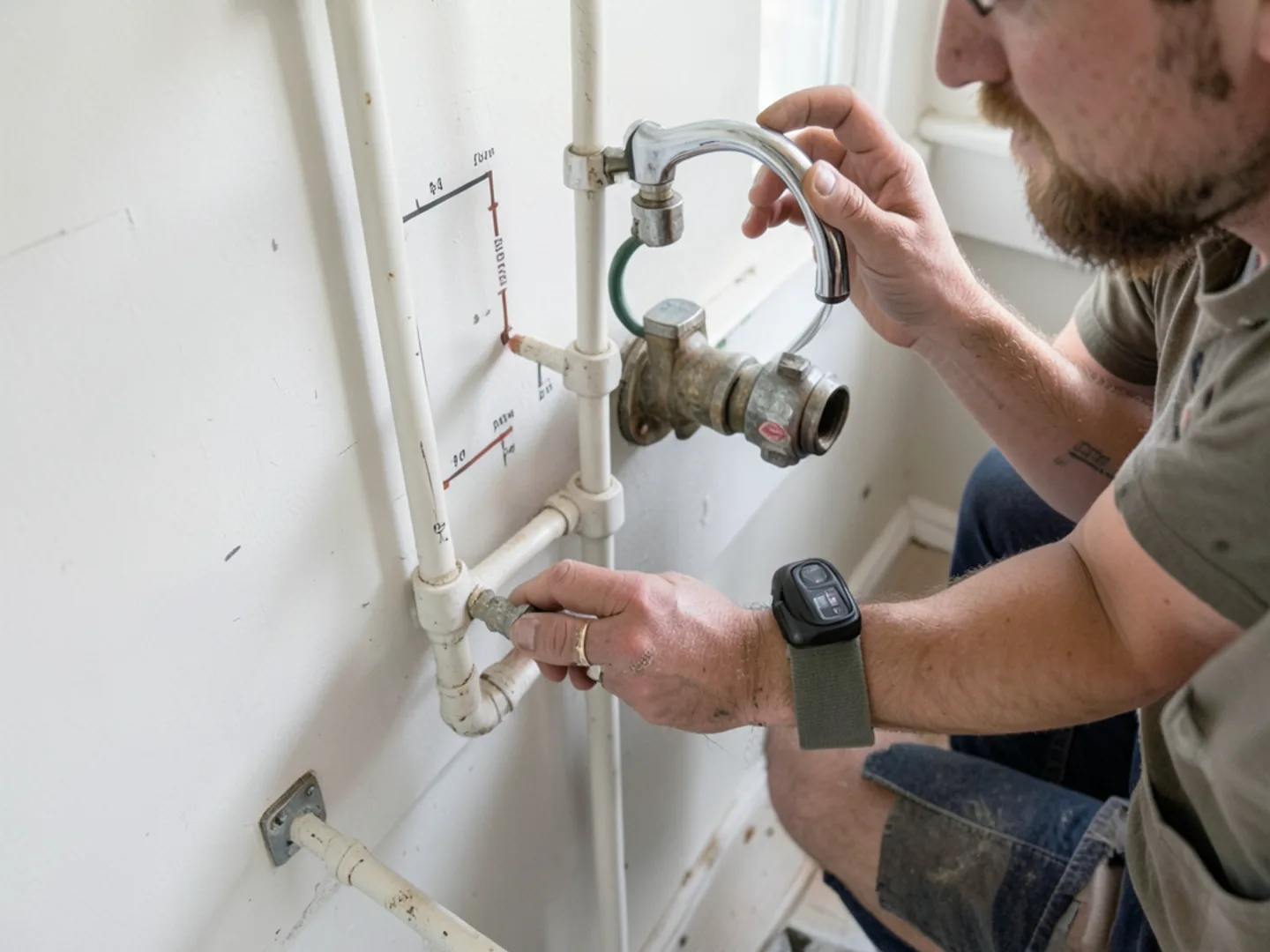
The internal corrosion and tuberculation process inside vintage galvanized lines
Galvanized iron piping was the industry standard for domestic water distribution from the late 19th century through the 1950s. These heavy steel pipes were hot-dipped in zinc to retard corrosion. However, after 50 to 80 years of exposure to municipal water, the protective internal zinc coating wears away entirely.
Once bare iron comes into contact with municipal water, an electrochemical oxidation process known as tuberculation begins. Rust mounds and hard mineral scale expand inward from the pipe walls, constricting a 3/4-inch supply line down to the diameter of a pencil. Homeowners experience this degradation as severely restricted water volume—where flushing a toilet causes second-floor shower pressure to drop to a trickle, or where morning tap water runs yellowish-brown for the first thirty seconds.
More dangerously, internal rust crusts conceal severe external wall thinning. Pinhole leaks frequently develop without warning behind antique lath and plaster, saturating historic ceiling woodwork and structural floor joists before visible moisture emerges on finished surfaces.
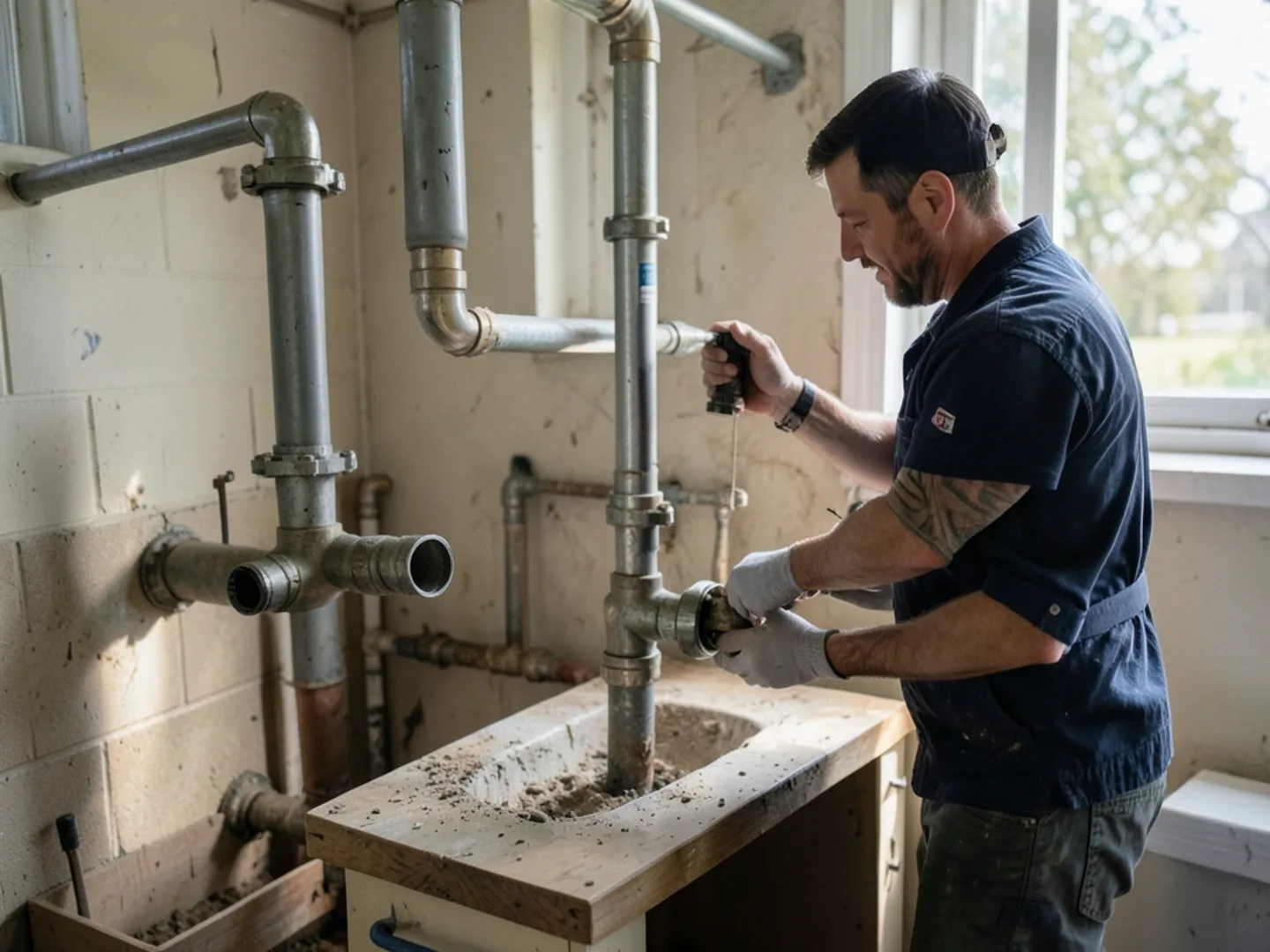
Minimally invasive repiping: routing flexible PEX through historic framing
Modernizing water distribution in a historic Fairfield colonial requires specialized architectural sensitivity. Traditional copper repiping requires wide wall openings and soldering torches inside dry, highly combustible centuries-old framing cavities—presenting unacceptable fire and cosmetic damage risks.
We resolve this dilemma using professional surgical repiping techniques powered by flexible Uponor PEX-a expansion piping:
• Non-Invasive Vertical Pipe Chases: PEX-a tubing is flexible enough to be fished upward through vertical framing bays, disused masonry chimney chases, and closet corners with only minimal exploratory openings in drywall or plaster.
• Elimination of Concealed Wall Joints: Continuous lengths of PEX-a run uninterrupted from basement manifolds directly to individual fixture groups without buried elbow fittings behind antique plaster walls.
• Protection of Historic Finishes: Hand-troweled lime plaster, antique horsehair mortar, hand-cut decorative baseboards, and wide-plank chestnut flooring remain completely undisturbed during modern mechanical upgrades.
• Quiet Operation: Flexible PEX-a absorbs pressure surges naturally, eliminating the loud water hammer clanking commonly heard in rigid metallic pipes.
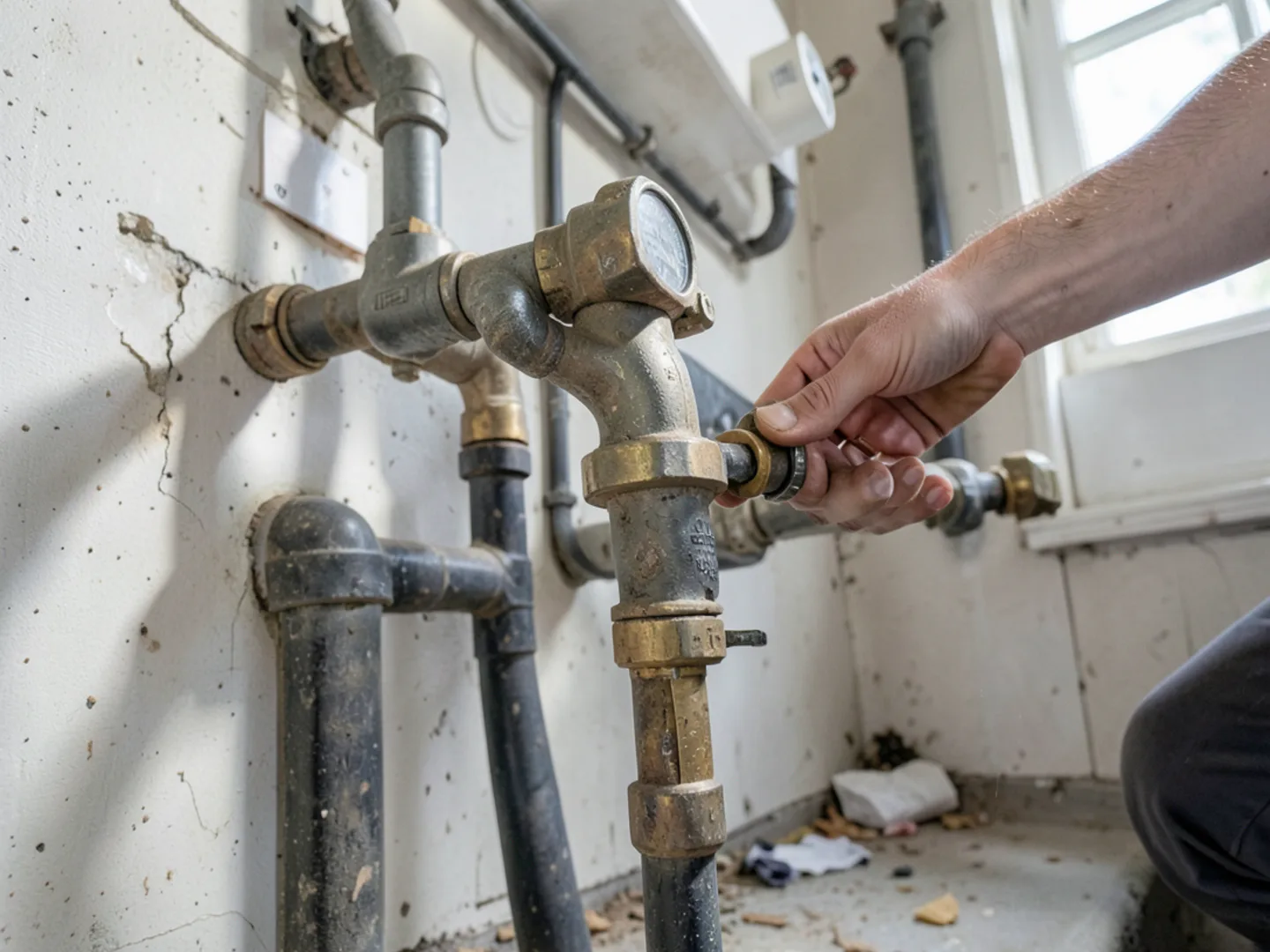
Modernizing obsolete drainage: drum traps, unvented S-traps, and lead closet bends
Antique drainage systems present equally serious mechanical concerns for historic Fairfield homeowners. Prior to the adoption of modern uniform plumbing codes, bathroom fixtures frequently relied on unvented S-traps or lead drum traps.
Unvented S-traps lack modern vertical atmospheric venting. When water rushes down an S-trap, hydraulic momentum creates a siphon that sucks the protective standing water seal out of the trap, allowing hazardous sewer gases (hydrogen sulfide and methane) to vent directly into living spaces.
Furthermore, old cast-iron toilet closet bends were originally formed from malleable lead soldered directly to iron soil stacks. Over decades of floor deflection, these lead bends deform, crack along their seams, and leak foul wastewater beneath bathroom floors.
Our licensed plumbers replace hazardous S-traps with code-compliant IPC Section 918 Air Admittance Valves (AAVs) or properly vented P-traps, while swapping out cracked lead closet bends for modern Schedule 40 PVC assemblies, permanently ending sewer gas infiltration.
The historic colonial plumbing modernization checklist
If you own or are considering purchasing an antique colonial home in Fairfield, review this professional mechanical evaluation checklist:
• Test Water Line Magnetism: Touch a strong magnet to your exposed basement water lines. If the magnet sticks firmly, the pipe is galvanized iron; if it does not stick, the line is copper or brass.
• Inspect the Incoming Water Service Entry: Check where the water service line enters through your basement stone foundation. A soft, dull gray pipe that easily scratches shiny silver indicates a legacy lead service line requiring immediate municipal replacement.
• Check Drainage Trap Geometry: Look under second-floor bathroom sinks and antique clawfoot bathtubs. P-traps that travel horizontally into a vented wall are safe; pipes that dip down and immediately curve into the floor without a vent are hazardous siphoning S-traps.
• Inspect Cast-Iron Soil Stacks: Examine vertical cast-iron drain stacks in the basement for rust blistering, white calcium weeping, or hair-line vertical cracks along the pipe seams.
• Audit Water Pressure vs Volume: Open multiple faucets simultaneously. A sudden drop in pressure indicates advanced internal pipe tuberculation restricting total flow capacity.
Town of Fairfield Historic District guidelines and building code compliance
Plumbing modernizations in designated historic zones—such as the Southport Historic District and the Historic Town Green—must respect architectural preservation standards while adhering to the 2022 Connecticut State Building Code. All repiping, water heater upgrades, and drain replacements require trade permits pulled through the Town of Fairfield Building Department at Sullivan Independence Hall (725 Old Post Road).
Our master plumbers coordinate trade permits and collaborate with local historical preservation guidelines to ensure all mechanical upgrades remain concealed and non-destructive. Operating from 140 Sherman Street in downtown Fairfield, our team has decades of hands-on experience modernizing historic Connecticut homes. For a comprehensive historic plumbing inspection or repiping proposal, call our office at (207) 419-2600.
Need immediate plumbing assistance at your home?
Call our Sherman St team at (207) 419-2600 for direct dispatch.
Frequently asked questions about old colonial home plumbing in fairfield
Galvanized pipes are dull gray, threaded metallic lines. You can test them by placing a magnet against an exposed pipe in your basement—if the magnet sticks firmly, the pipe is galvanized steel. Another sign is low water pressure and yellowish-brown water after faucets sit unused for several days.
Explore dedicated services referenced in this guide: