
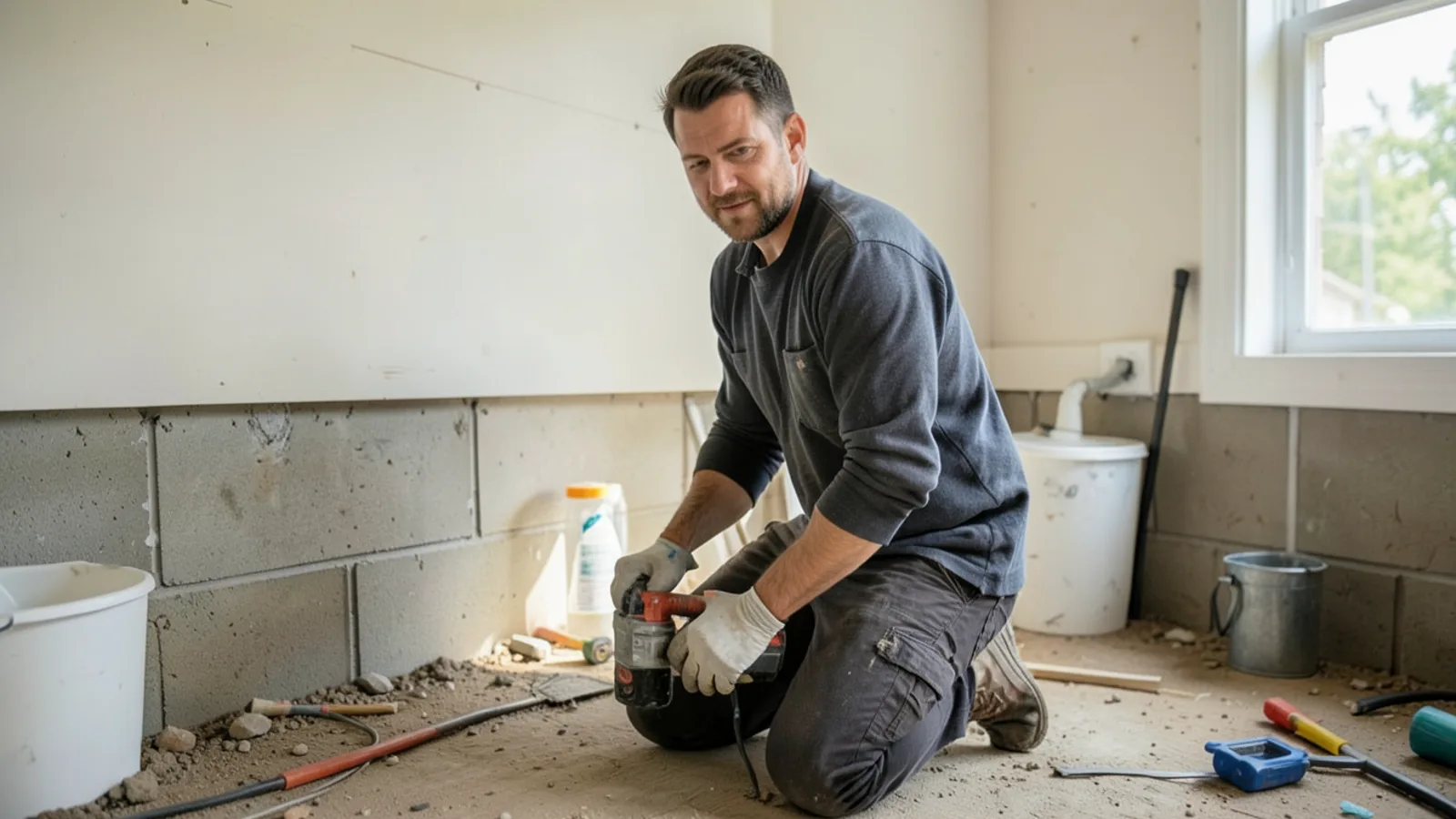
Understanding coastal flood risks in Fairfield shoreline neighborhoods
Protecting a basement in coastal Fairfield requires proactive mechanical plumbing engineering rather than reactive cleanup. Along Fairfield's five miles of Long Island Sound coastline, residential properties in Fairfield Beach, South Pine Creek, Lantern Point, and Southport Harbor occupy low-elevation topography classified by FEMA as Special Flood Hazard Areas (SFHAs), primarily designated under Zones AE and VE.
In these shoreline neighborhoods, groundwater tables rise and fall synchronously with the ocean tides. During astronomical high tides, nor'easters, and coastal tropical storms, intense hydrostatic pressure forces water through concrete cold joints, porous fieldstone foundations, and cracks in basement slabs.
Furthermore, when municipal storm drains become submerged by Long Island Sound tidal swells, stormwater runoff backs up into residential sewer laterals. Homeowners who rely on a single plug-in sump pump or leave floor drains unprotected face thousands of dollars in water damage, ruined mechanical equipment, and persistent mold growth.
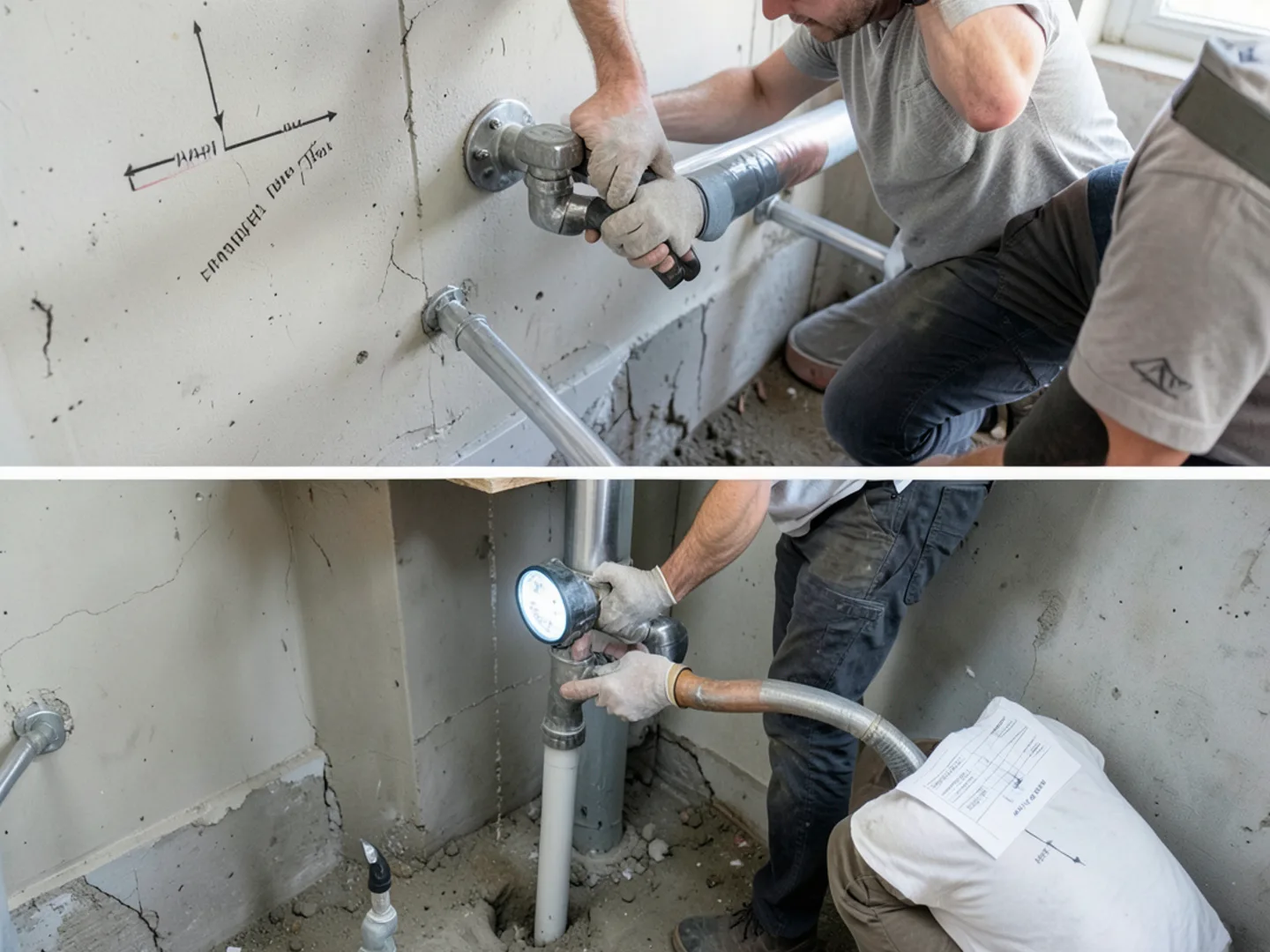
Engineered sump pump redundancy: primary, auxiliary, and battery backup systems
A single electric sump pump is completely inadequate for homes located in Fairfield's coastal flood zones. Coastal storms routinely down overhead utility wires along Reef Road and Fairfield Beach Road precisely when rainfall rates and storm surges reach their peak.
An effective coastal sump pump installation requires a multi-tier protective defense engineered within an oversized, perforated basin lined with washed drainage stone:
• Primary Submersible Pump: A heavy-duty cast-iron 1/2-horsepower or 3/4-horsepower pump capable of discharging 3,500 to 4,500 gallons per hour (GPH) at a 10-foot head. Cast-iron motor housings dissipate heat efficiently during continuous pumping cycles.
• Auxiliary DC Battery-Backup Pump: Mounted several inches above the primary pump within the same basin, an independent DC pump operates automatically if utility power fails or if the primary pump suffers mechanical failure.
• Deep-Cycle Marine Battery Array: High-capacity AGM marine batteries provide 24 to 72 hours of continuous intermittent pumping power during prolonged coastal blackouts.
• Dual Vertical Float Switches: Mechanical vertical float switches are far more reliable in tight sump basins than tethered floats, preventing hang-ups against basin sidewalls.
• Dedicated Discharge Piping & Spring Check Valves: Independent 1.5-inch or 2-inch discharge lines equipped with silent spring-loaded check valves prevent pumped wastewater from flowing backward into the pit.
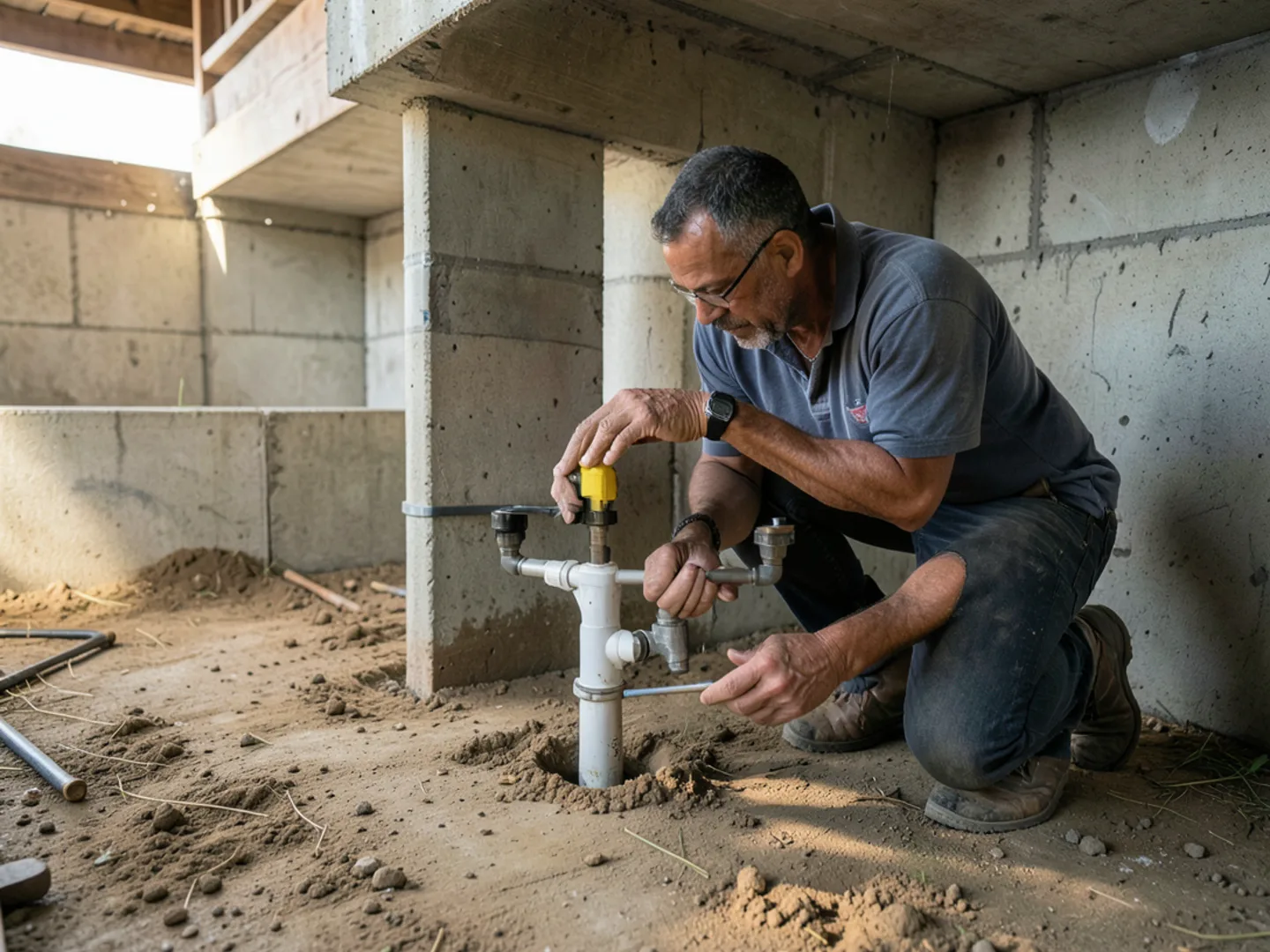
Elevating domestic water heaters and mechanical appliances above flood levels
Domestic water heaters, hydronic heating boilers, laundry washers, and dryers positioned directly on basement concrete floors are acutely vulnerable to minor basement seepage. Even three to four inches of standing water ruins gas control valves, rusts steel tank jackets, submerges burner assemblies, and destroys electric heating elements.
Under the 2022 Connecticut State Building Code and Town of Fairfield floodplain management guidelines, mechanical equipment installed below the Base Flood Elevation (BFE) must be elevated or protected from flood damage.
For homes in Fairfield Beach and South Pine Creek, we install custom masonry pads or heavy-gauge galvanized steel equipment stands that raise water heaters 12 to 24 inches above the concrete slab. Elevating appliances protects burner assemblies from incidental groundwater entry, ensures compliant combustion airflow, and saves homeowners thousands of dollars in premature equipment replacements.
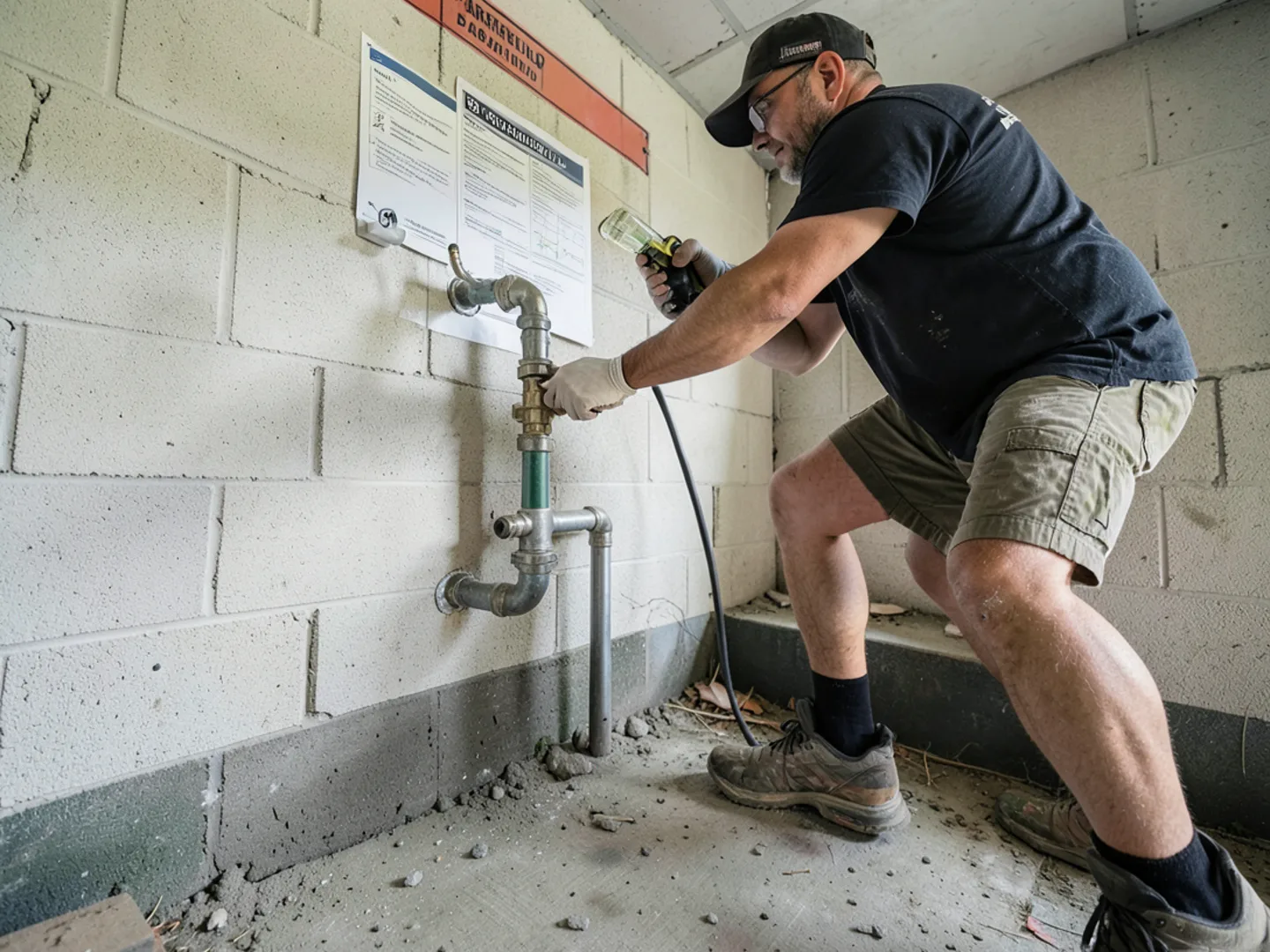
Main drain sanitary sewer backwater valves and backflow protection
During severe coastal storm surges, the public sanitary sewer system beneath coastal Fairfield streets can become overwhelmed by stormwater infiltration. When municipal sewer mains surcharge, wastewater flows backward toward residential homes, pushing through lowest-level fixtures such as basement utility sinks, washing machine standpipes, and floor drains.
Installing an approved full-port automatic backwater valve (governed by IPC Section 715) on your home's main building drain prevents municipal sewage from entering your foundation. The valve features an internal flapper that allows household wastewater to flow freely out toward the municipal main under normal conditions. When municipal sewer water reverses direction, the flapper seals shut against a neoprene gasket, blocking sewage backflow into your living space.
The Fairfield coastal homeowner flood defense checklist
Before coastal storm season arrives in late summer and autumn, Fairfield shoreline property owners should execute this professional plumbing checklist:
• Test Sump Pump Float Action: Pour five gallons of water into your sump pit to verify that the primary pump activates smoothly and evacuates water rapidly.
• Audit Battery Backup Charge: Inspect your auxiliary battery backup indicator panel, check electrolyte fluid levels on flooded batteries, and replace AGM batteries every three to five years.
• Clear Exterior Discharge Terminations: Ensure exterior sump discharge pipes extend at least ten to fifteen feet away from your foundation wall, discharging onto a positive slope toward the street or swale rather than recirculating against your foundation.
• Install High-Water Alarms: Position Wi-Fi-enabled or audible high-water sensors inside the sump basin and near water heating appliances to receive immediate alert notifications on your mobile device.
• Inspect Floor Drain Check Valves: Test basement floor drains to ensure backwater balls or mechanical check flaps move freely without sediment obstruction.
• Verify Main Water Shutoff Accessibility: Confirm that your main domestic water shutoff valve turns freely so you can quickly isolate water service if a fixture breaks during a storm.
Town of Fairfield building permits and FEMA compliance
All major plumbing modifications in coastal Fairfield, including sump pump discharge routing, water heater relocations, backwater valve installations, and drainage reconfiguration, require trade permits pulled through the Town of Fairfield Building Department at Sullivan Independence Hall (725 Old Post Road).
Furthermore, properties located in designated AE and VE flood zones must adhere to strict FEMA floodplain management regulations. Sump pump discharge lines cannot be connected to the public sanitary sewer under Town of Fairfield WPCA rules, as illegal stormwater connections overload municipal treatment plants.
Operating from 140 Sherman Street in downtown Fairfield, our licensed master plumbers understand local coastal hydrology and code mandates. If you need professional flood defense upgrades or emergency plumbing assistance, call our team at (207) 419-2600.
Need immediate plumbing assistance at your home?
Call our Sherman St team at (207) 419-2600 for direct dispatch.
Frequently asked questions about shoreline fairfield flood-zone basements
In coastal flood zones, mechanical equipment should be elevated on masonry platforms or structural steel stands at least 12 to 24 inches above the concrete slab, or above the local Base Flood Elevation (BFE) specified by FEMA flood maps.
Explore dedicated services referenced in this guide: